In 2026, your brand reputation is built and destroyed faster than ever before. A single viral post can reach millions of people within hours. A product recall, a tone-deaf campaign, or a public controversy can spiral out of control before your PR team even knows it's happening. That's why brand monitoring — tracking what people are saying about your brand, your competitors, and your industry in real time — has become a non-negotiable part of modern marketing strategy.
This guide breaks down the key components of an effective brand monitoring strategy, the tools you need, and how leading brands are using social intelligence to stay ahead of the conversation.
Brand monitoring is the process of tracking mentions of your brand, products, and key people across the internet — including social media platforms, news sites, blogs, forums, and review sites. The goal is to understand what people are saying, how sentiment is shifting, and where conversations are happening so you can respond quickly and strategically.
Effective brand monitoring goes beyond vanity metrics like follower count or likes. It digs into share of voice, sentiment trends, crisis signals, and competitive positioning — the data that actually informs business decisions.
1. Mention Tracking: Every time someone mentions your brand, product, or key personnel online, you want to know about it. This includes direct mentions with your handle, indirect mentions without tagging you, and misspellings of your brand name.
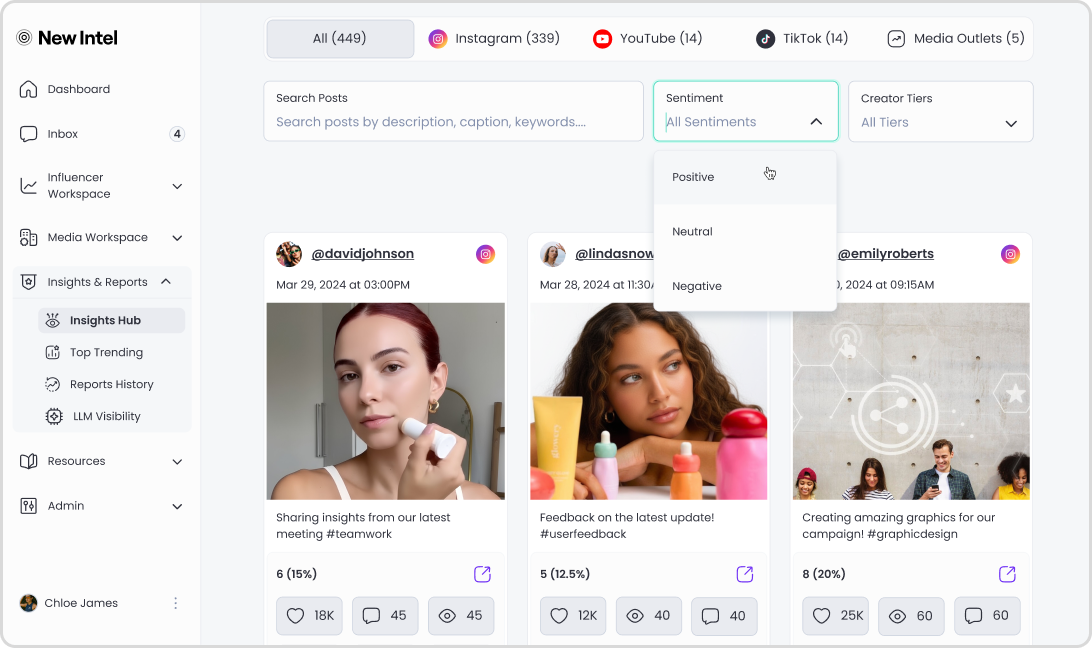
2. Sentiment Analysis: Knowing that people are talking about you isn't enough. You need to understand whether the conversation is positive, negative, or neutral — and how that changes over time. Sentiment analysis helps you spot emerging issues before they become crises.
3. Competitive Intelligence: Brand monitoring isn't just about you. Tracking what people are saying about your competitors gives you invaluable insights into market gaps, customer pain points, and emerging opportunities. When a competitor drops the ball, you want to know immediately.
4. Influencer and Creator Tracking: Who's talking about your brand? Are they influential voices in your industry? Understanding the reach and authority of people mentioning your brand helps you prioritize your engagement and partnership efforts.
Start by defining what you want to track. At a minimum, this should include your brand name, product names, key executives, branded hashtags, and common misspellings. Then, set up alerts and dashboards that surface mentions in real time.
Next, establish a response protocol. Not every mention requires a response, but every mention should be reviewed. Positive mentions are opportunities to amplify. Negative mentions are opportunities to recover. Neutral mentions are opportunities to educate.
Finally, set up regular reporting to track trends over time. Is sentiment improving or declining? Is your share of voice growing? Are there specific topics or platforms where your brand is consistently underperforming? These are the questions brand monitoring should help you answer.
Manually tracking brand mentions across the internet is impossible at scale. That's where AI-powered tools like New Intel come in. By using machine learning to analyze thousands of mentions per hour, New Intel can surface the signals that matter — a sudden spike in negative sentiment, a competitor announcement gaining traction, or an emerging trend in your industry — before they become headline news.
In 2026, brand monitoring is not a nice-to-have. It's the foundation of proactive reputation management, competitive strategy, and customer relationship building. The brands that invest in real-time social intelligence today will be the ones that are trusted, resilient, and growing tomorrow.
Built on IMAI's infrastructure - A Stagwell Company
(NASDAQ: STGW).